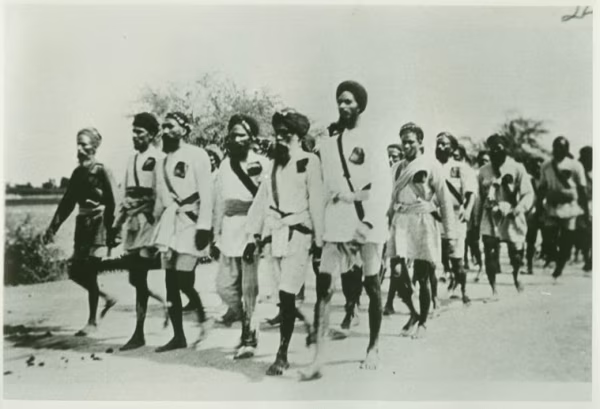
Morcha Guru Ka Bagh, also known as the Guru Ka Bagh Morcha, stands out as one of the most inspiring moments in Sikh history—a demonstration of unwavering courage, self-sacrifice, and powerful non-violent resistance. Launched in August 1922 as part of the broader Gurdwara Reform Movement led by the Shiromani Gurdwara Parbandhak Committee (SGPC) and the Akali movement, the Morcha played a pivotal role in restoring Sikh control over sacred sites. In this post, we explore the origins, unfolding, and legacy of Morcha Guru Ka Bagh, with a focus on its spiritual resonance, moral strength, and historical achievement.
Origins: The Catalyst Behind the Movement
Dispute Over the Gurdwara Grounds
The controversy began at Morcha Guru Ka Bagh, a gravesite associated with Guru Arjun Dev Ji and Guru Tegh Bahadur Ji, located roughly 20 km from Amritsar. Its land, though originally under the care of the Mahant Sunder Das, was part of the Sikh community’s traditional Gurdwara jurisdiction. While the Mahant had earlier surrendered formal control of the Gurdwara, he later refused to relinquish the surrounding garden, arguing it remained his personal property.
On August 8–9, 1922, five Sikhs were arrested for cutting wood for the community kitchen (langar) from that land. They were sentenced swiftly to rigorous imprisonment, escalating tensions between the Sikh sangat and colonial authorities.
The Movement Grows: Non‑Violence Meets Repression
Daily Jathas and Increasing Arrests
In response to the arrests, the SGPC organized daily groups of Akali Sikhs to march from the Akal Takht toward Guru Ka Bagh. These jathas, initially small, grew larger—soon numbering 100 or more volunteers committed to peaceful protest. Their sole weapons were prayer, conviction, and a vow to endure suffering silently rather than retaliate.
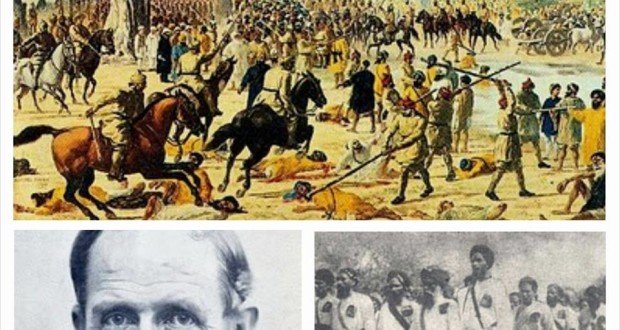
By late August, police brutality escalated: Sikhs were beaten with brass-bound batons and rifle-butts, dragged by their hair, and left unconscious. What stood out was their refusal to cry out or show aggression—many remained in prayer even as they were struck. One eyewitness said:
“The brutality and inhumanity… increased by the fact that the men who were hit were praying to God and had already taken a vow that they would remain silent and peaceful in word and deed.
Resilience in Suffering
Each day, more volunteers stepped forward. Around 5,605 Sikhs were arrested during the Morcha’s course, with over 1,500 sustaining serious injuries—and more than a dozen martyred. Yet, they maintained Chardi Kala—a high spiritual resolve—praying for those suffering and refusing to yield to fear or rage.
External Recognition: Voices from Around the Globe
Charles Freer Andrews: Accounts of Martyrdom in Silence
Anglican missionary and friend to many Indian leaders, Rev. C. F. Andrews, witnessed the Morcha firsthand. He described the scene in the Manchester Guardian:
“There were four Akali Sikhs… perfectly still… praying. Then an Englishman lunged his lathi… The vow they had made to God was kept. I saw no act, no look of defiance… It was true martyrdom… reminding me of the shadow of the Cross.
His vivid account resonated internationally, highlighting the moral power and spiritual strength of the Sikh protesters.
Global and National Attention
Sikh volunteers’ extraordinary non-violence caught attention from national leaders. The Indian National Congress created an inquiry into British atrocities at Guru Ka Bagh. Later, Jawaharlal Nehru—then imprisoned in Nabha jail—praised the Akalis’ conduct as heroic and inspiring.
Turning the Tide: From Beatings to Concession
Official Intervention
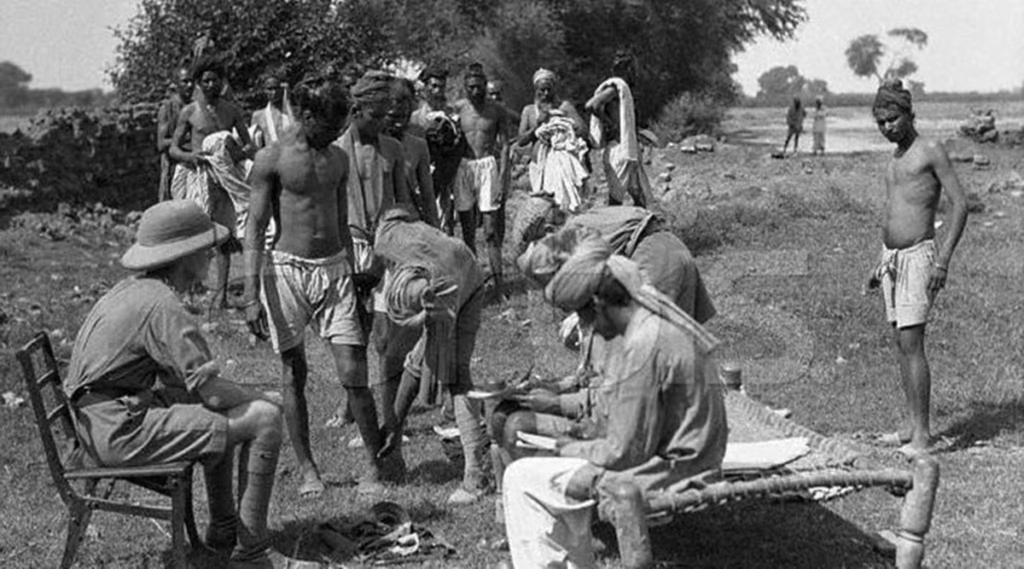
On September 13, 1922, the Lt‑Governor of the Punjab, Sir Edward Maclagan, visited the site and ordered the immediate stop to physical beatings. From then on, arrests and fines became the government’s primary tool of suppression
Sir Ganga Ram’s Role
Facing ongoing pressure, the British administration sought a resolution through Sir Ganga Ram, a philanthropist and engineer from Lahore. On November 16, 1922, he leased 524 kanals of land from the Mahant and then promptly transferred it to the SGPC, without requiring police protection. This act allowed Sikhs free access to the land to collect wood and marked the formal success of the Morcha
By April 27, 1923, most prisoners were released, and Guru Ka Bagh sahib was officially under Sikh management. The Morcha officially concluded around November 17, 1922.
Spiritual Themes & Historical Significance
Non-violent Resistance in Sikh Tradition
The Guru Ka Bagh Morcha reaffirmed the Sikh commitment to Satyagraha—truth-force and peaceful protest. Rather than violent confrontation, Akali volunteers embodied deep spiritual conviction, drawing on historical lessons from earlier Gurus’ sacrifices under oppression.
Impact on Sikh Self‑identity
This Morcha invigorated Sikh identity across Punjab and beyond. It showed that strength lay in moral high ground and spiritual resolve. It inspired further actions like Jaito Da Morcha, these protests leading to Sikh self-rule over their religious institutions.
Legacy in Sikh Art & Remembrance
On the centenary in August 2022, the SGPC honoured Morcha Guru Ka Bagh with a three-day congregation at Gurdwara Guru Ka Bagh, blending panthak traditions, Akhand Paath, kirtan, and educational programs. Meanwhile, 30 artists created a series of powerful paintings depicting scenes from the Morcha and the related Saka Sri Panja Sahib, later preserved in a coloured album and used in future documentaries and exhibitions.
Lessons for Today: Why Guru Ka Bagh Still Matters
- Moral Courage over Physical Force: The Morcha Guru Ka Bagh reaffirms that inner strength and moral discipline can triumph over brutality.
- Power of Unity: Sikhs from various towns marched together, sharing the same resolve, demonstrating collective solidarity in the face of oppression.
- Faith as Resistance: Prayer—not weapons—drove the movement. Their belief in justice and spiritual truth guided them through suffering without retaliation.
- Model for Civil Rights Movements: Guru Ka Bagh remains an example of disciplined civil resistance, one that predated and arguably influenced other non-violent movements abroad.
Conclusion
Morcha Guru Ka Bagh stands as a timeless testament to disciplined courage, spiritual resolve, and the moral power of non-violence. From the humble jathas marching out from the Akal Takht to protest peacefully, to the arrests, injuries, and eventual concession by colonial authorities—the story weaves a powerful narrative of faith-driven resistance.
This movement didn’t just win control over sacred land; it deeply influenced Sikh self-identity, inspired future reform campaigns, and offered the world a striking example of how peace can break oppression. Through communal memory, art, and modern reflections, the light of Guru Ka Bagh continues to guide new generations toward courage, compassion, and righteous conviction.