
Healthy Snacks For Weight Loss
In a world overflowing with fast food and fad diets, embracing healthy eating can feel like navigating a maze. But what if the secret to a vibrant, energetic life lies in simple, sustainable choices? In this comprehensive guide, we’ll explore 7 proven tips to help you make informed, health-boosting decisions every day. Whether you’re aiming to shed a few pounds, improve your energy levels, or simply feel better in your skin, these strategies are designed to empower you.
Why Healthy Eating Matters More Than Ever
Healthy eating isn’t just about weight loss—it’s about feeling your best, inside and out. A balanced diet rich in whole foods supports:
- Stronger immunity
- Improved digestion
- Better mood and mental clarity
- Sustained energy levels
- Reduced risk of chronic diseases
But with so much conflicting information out there, how do you separate fact from fiction? Let’s dive into the essentials.
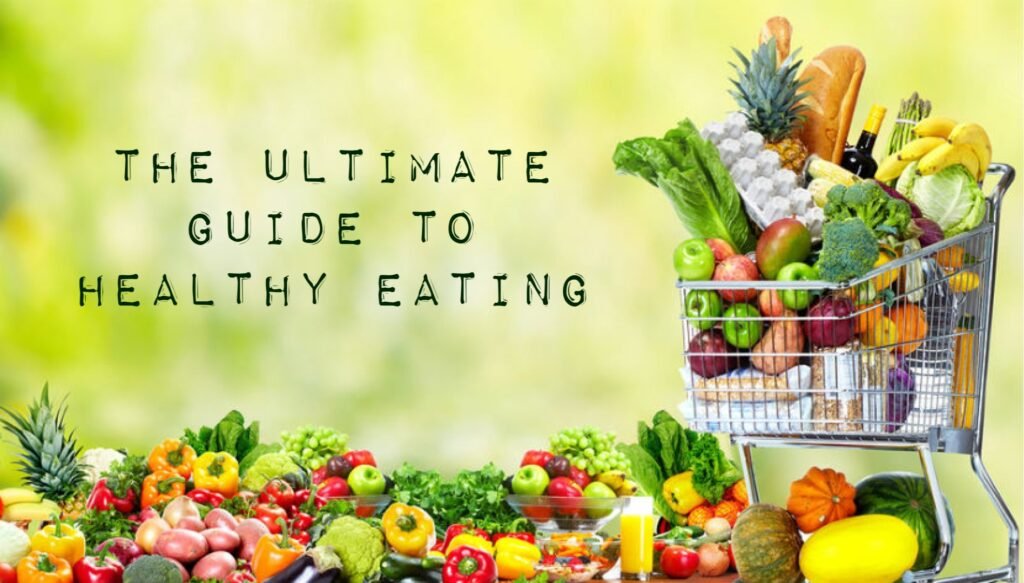
7 Proven Tips for Healthy Eating
1. Focus on Whole, Unprocessed Foods
The foundation of a healthy diet is whole, unprocessed foods. These nutrient-dense options provide your body with essential vitamins, minerals, and fiber. Incorporate a variety of:
- Fruits and vegetables
- Whole grains
- Lean proteins
- Healthy fats
By choosing foods in their natural state, you minimize the intake of added sugars, unhealthy fats, and sodium, all of which can contribute to health issues when consumed in excess.
2. Practice Portion Control
Even healthy foods can lead to weight gain if consumed in large quantities. Understanding portion sizes and listening to your body’s hunger cues can help maintain a balanced intake. Consider using smaller plates, measuring servings, and avoiding distractions during meals to stay mindful of your portions.
3. Stay Hydrated
Water is essential for nearly every bodily function, including digestion and nutrient absorption. Aim to drink at least 8 glasses (about 2 liters) of water daily. Herbal teas and water-rich foods like cucumbers and watermelon can also contribute to your hydration needs.
4. Limit Added Sugars and Refined Carbs

High intake of added sugars and refined carbohydrates can lead to weight gain, increased risk of type 2 diabetes, and heart disease. Opt for natural sweeteners like honey or maple syrup in moderation, and choose whole grains over refined options to maintain stable blood sugar levels.
5. Incorporate Healthy Fats
Not all fats are created equal. Healthy fats, such as those found in avocados, nuts, seeds, and olive oil, support brain function and heart health. Replace saturated and trans fats with these healthier options to improve your overall health profile.
6. Plan Your Meals
Meal planning can help you make healthier choices and avoid the temptation of fast food. Prepare balanced meals ahead of time, include a variety of food groups, and keep healthy snacks on hand to curb hunger between meals.
7. Be Mindful of Eating Habits
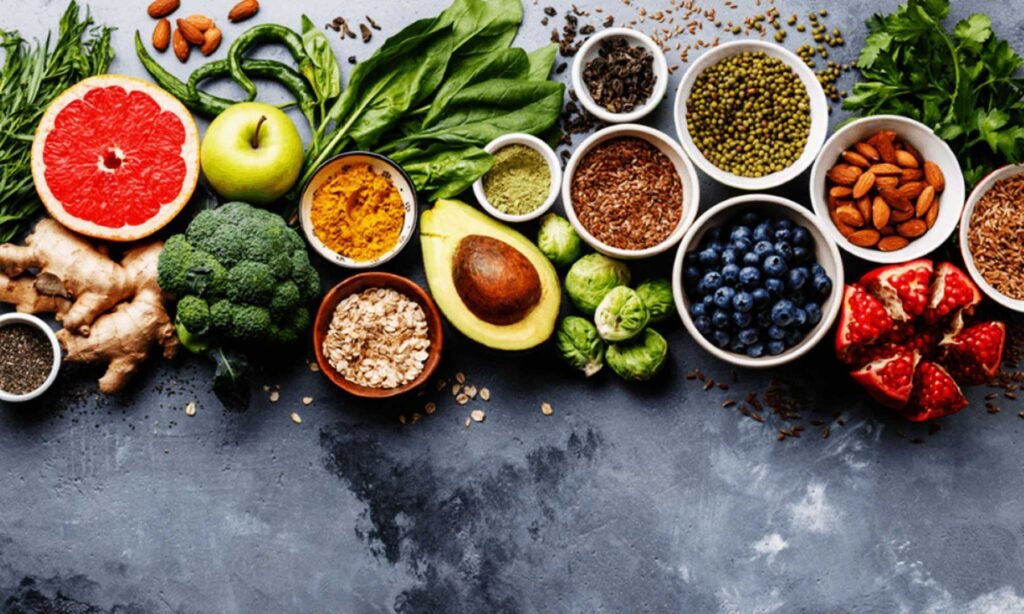
Mindful eating involves paying full attention to the experience of eating and drinking, both inside and outside the body. This practice can help you recognize hunger and fullness cues, reduce overeating, and enhance digestion.
Supercharge Your Diet with These Nutrient-Rich Foods
Incorporating specific nutrient-dense foods into your diet can provide additional health benefits. Consider adding:
- Broccoli: Rich in vitamins C and K, fiber, and antioxidants, broccoli supports immune function and bone health.
- Salmon: Packed with omega-3 fatty acids, salmon promotes heart health and reduces inflammation.
- Blueberries: High in antioxidants, blueberries may improve brain function and reduce oxidative stress.
- Chickpeas: A great plant-based protein source, chickpeas support muscle health and digestive function.
- Walnuts: Containing healthy fats and protein, walnuts can aid in weight management and heart health.
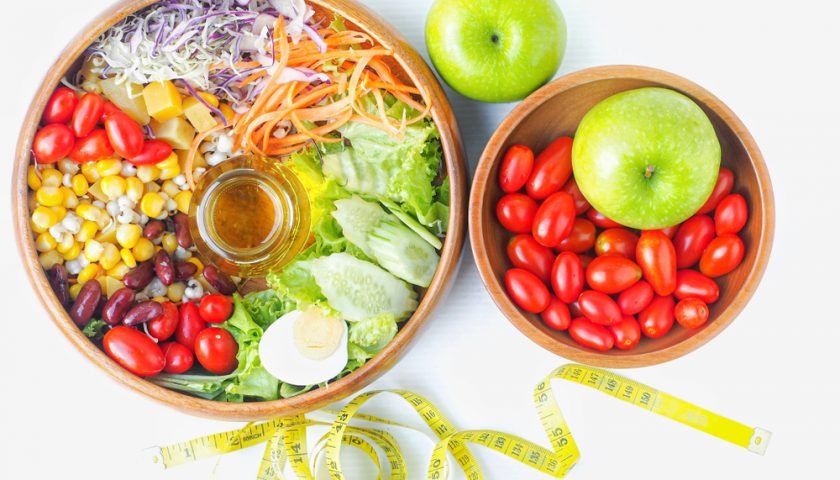
Healthy Eating Myths Debunked
Myth #1: Healthy Eating Is Expensive
While some organic or specialty items can be pricey, a healthy diet doesn’t have to break the bank. Focus on affordable staples like beans, lentils, frozen vegetables, and whole grains to keep costs down.
Myth #2: Carbs Are Bad for You
Carbohydrates are a primary energy source for the body. The key is choosing complex carbs, such as whole grains, over simple sugars and refined carbs.
Myth #3: You Have to Give Up Your Favorite Foods
Healthy eating is about balance, not deprivation. It’s okay to enjoy your favorite treats occasionally; the goal is moderation and making healthier choices most of the time.
Sample Healthy Meal Plan
| Meal | Example Dish |
|---|---|
| Breakfast | Oatmeal with chia seeds and berries |
| Lunch | Quinoa salad with chickpeas and veggies |
| Snack | Apple slices with almond butter |
| Dinner | Grilled salmon with steamed broccoli and sweet potato |
This sample meal plan includes a variety of nutrient-dense foods to support overall health.
Final Thoughts: Your Health, Your Choice
Adopting a healthy eating pattern is a personal journey that requires commitment and consistency. By focusing on whole foods, practicing portion control, staying hydrated, and debunking common myths, you can pave the way to a healthier, more vibrant life.
Remember, small changes can lead to significant improvements over time. Start with one tip, incorporate it into your daily routine, and build from there. Your body will thank you.
Ready to Take the Next Step?
If you’re committed to transforming your eating habits and embracing a healthier lifestyle, start by implementing one of the tips mentioned above. Share your journey with friends and family to inspire them, too. Remember, every positive change is a step toward a healthier you.
For more resources, recipes, and tips on healthy eating, explore our other blog posts and join our community of health-conscious individuals.
Note: This blog post is for informational purposes only and is not intended as medical advice. Always consult with a healthcare professional before making significant changes to your diet or exercise routine.